Compare clamp capacity and reach before purchase
Opening, throat depth, contact arrangement and intended application are different conditions. A large headline capacity does not resolve all of them.
Updated:
BESSEY TG20-2K versus TG30-2K
BESSEY’s2025 catalogue,printed page21, lists TG20-2K with200mm opening and100mm throat; TG30-2K has300mm opening and140mm throat. This is a real geometry difference, not merely two sizes guessed from photographs. A required opening above200mm eliminates TG20-2K on that dimension; a reach above100mm similarly requires a different candidate even if the opening fits.
For a declared180mm assembly width with a90mm edge-to-contact reach, both listed geometries exceed those dimensions before accounting for pads, access and the manufacturer’s requirements. For a250mm width and120mm reach, only TG30-2K of these two clears both nominal dimensions. This is a purchase-screening example, not a safe-load assessment. Do not substitute TG30S10-2K: its catalogue throat is100mm despite a300mm opening. Family clamping-force claims are not lifting ratings.
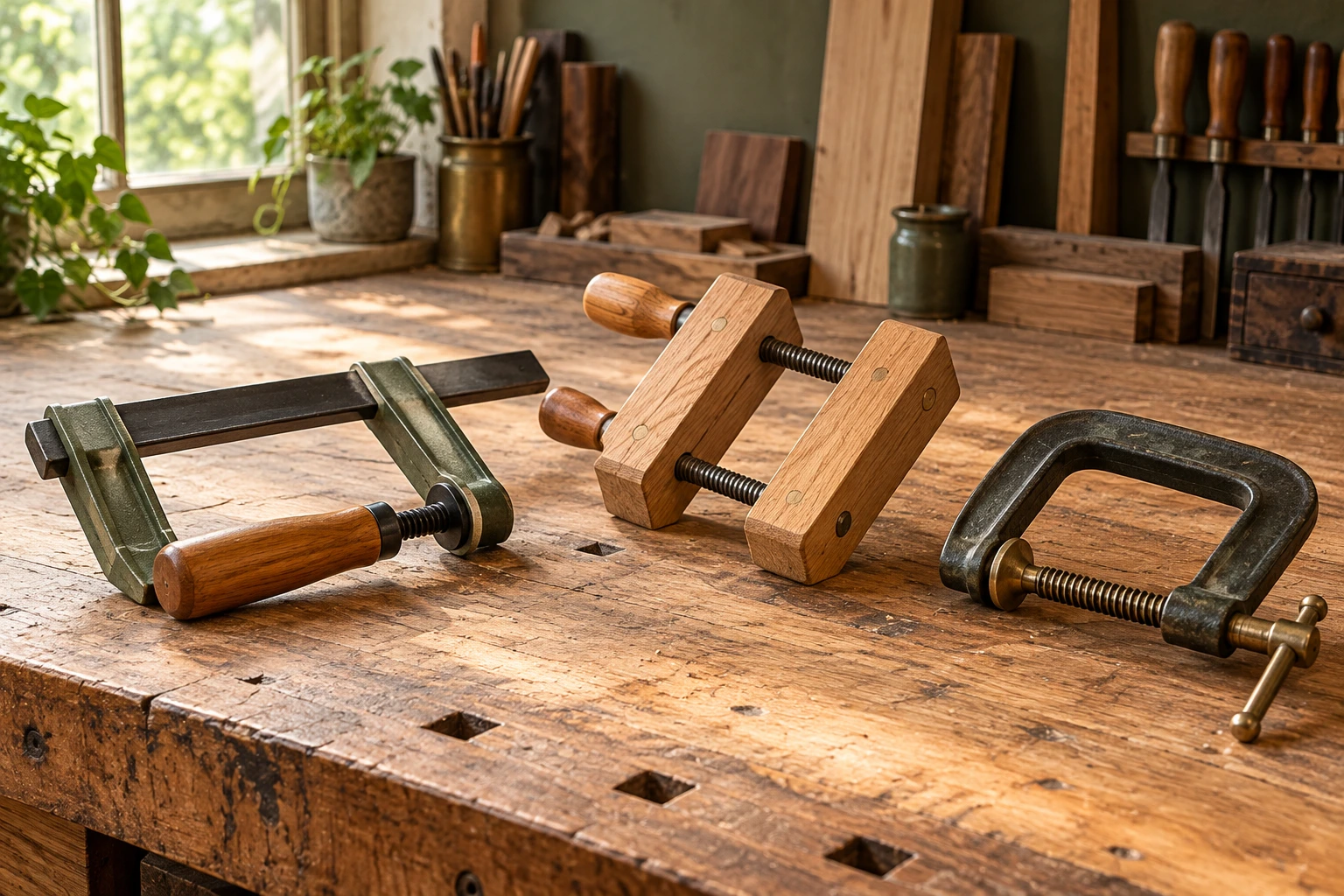
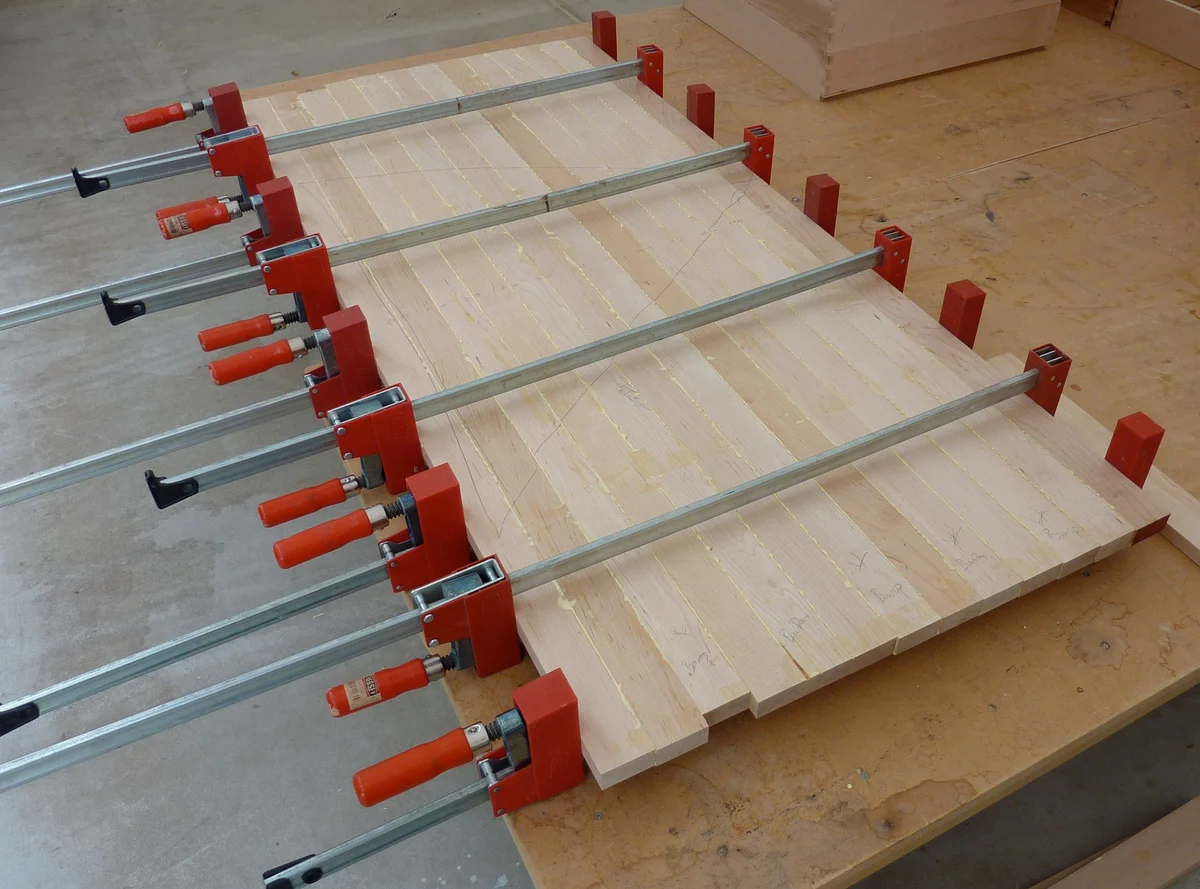
Start with the required opening and reach, then consider the exact clamp’s intended material and application. A clamp with enough maximum opening may still fail to reach the relevant contact point. A product photograph can help identify its form without establishing either dimension or the conditions of use.
BESSEY’s FAQ distinguishes the clamping dimension between the contact faces from the projection measured from the rail towards the spindle. Keep those as separate entries in a purchase comparison. Do not replace the manufacturer’s drawing with a measurement taken from an online photograph whose perspective and scale are unknown.
| Exact catalogue model | Opening | Throat depth |
|---|---|---|
| BESSEY TG20-2K | 200mm | 100mm |
| BESSEY TG30-2K | 300mm | 140mm |
BESSEY UK clamping FAQ ? BESSEY complete catalogue2025,printed page21 ?
Use a size example without turning it into a safety result
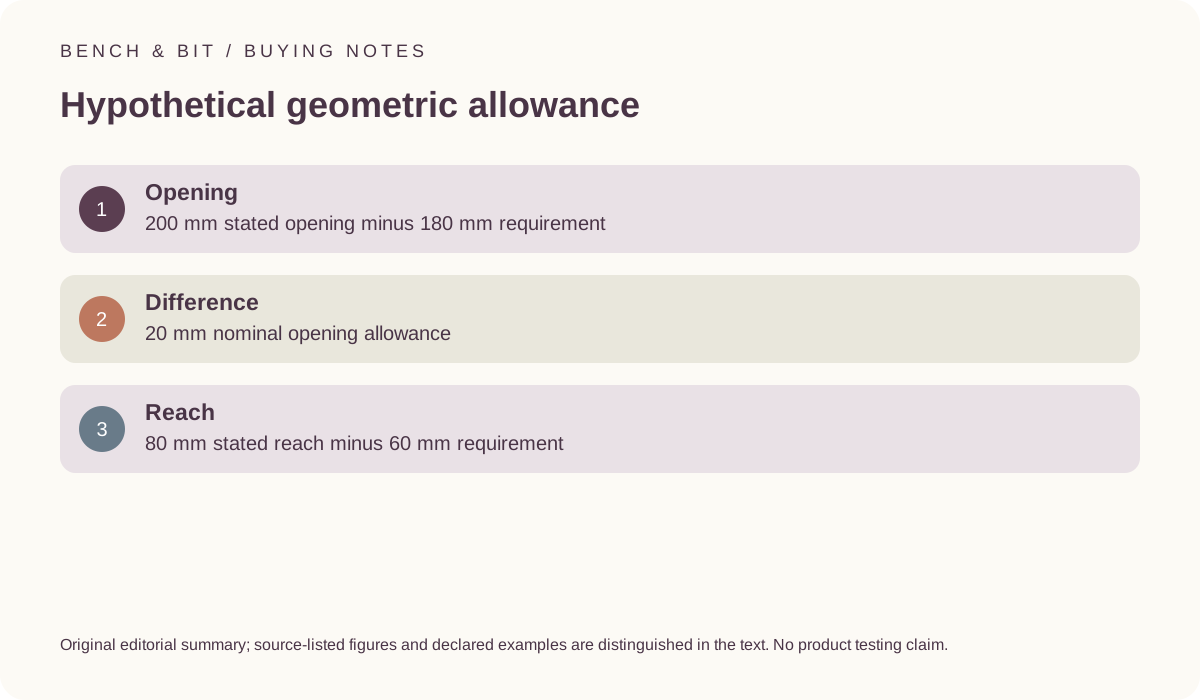
Suppose, hypothetically, that a stated opening is 200 mm and the required span is 180 mm. The arithmetic difference is 20 mm. If a separate stated reach is 80 mm and the requirement is 60 mm, that difference is also 20 mm. These are invented geometric inputs, not specifications of the clamps in the photographs.
Those differences do not certify the setup. The contact faces, access, shape, material, permitted application and any other instructions still matter. In particular, a positive numerical margin is not a force rating, lifting permission or assurance that a workpiece will remain secure in an operation.
Do not compare force without its conditions
A clamping-force specification describes a defined product and arrangement. It is not interchangeable with a safe suspended load, a lifting rating or the force appropriate for a fragile surface. Different clamp mechanisms can also have different declared ranges and contact arrangements.
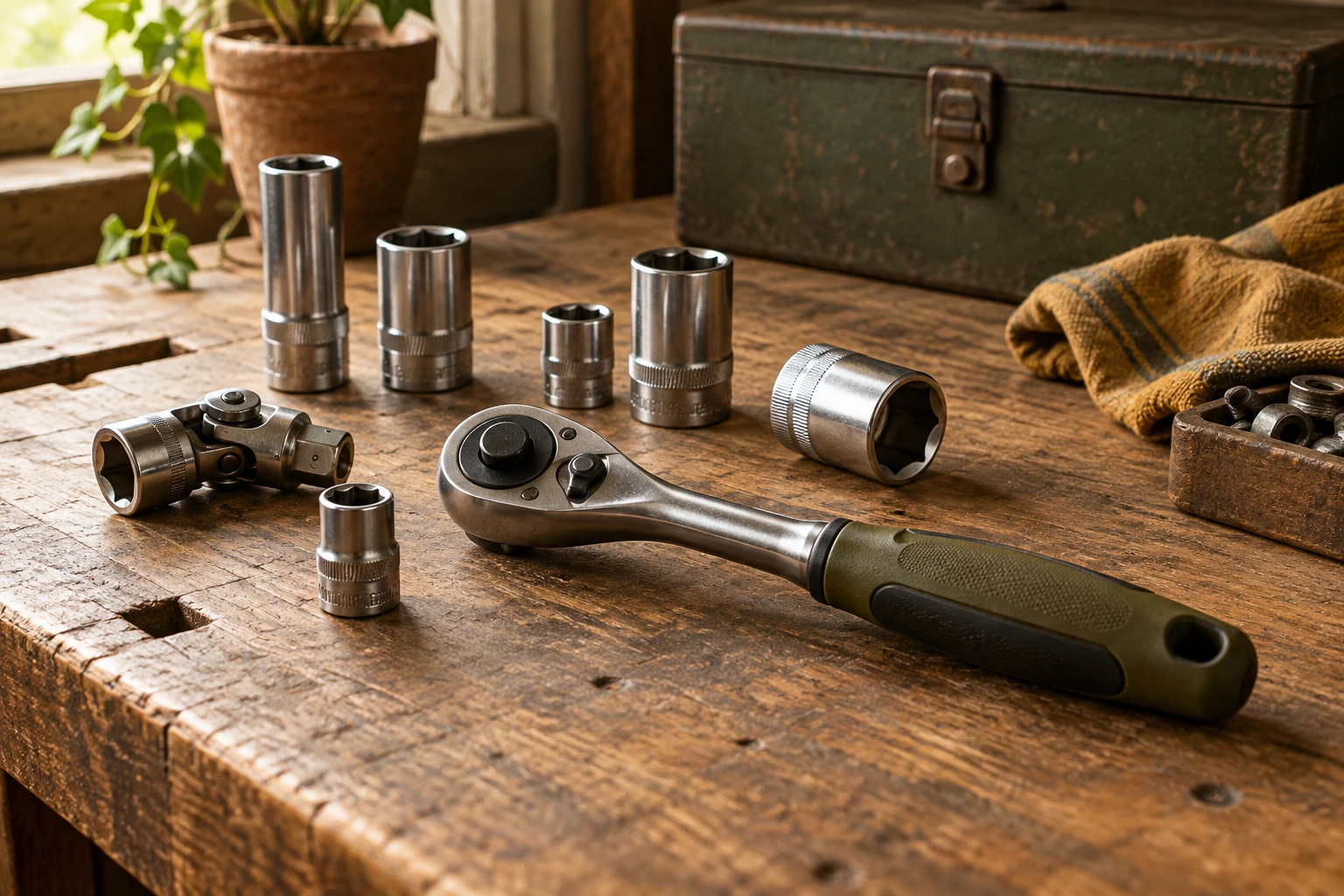
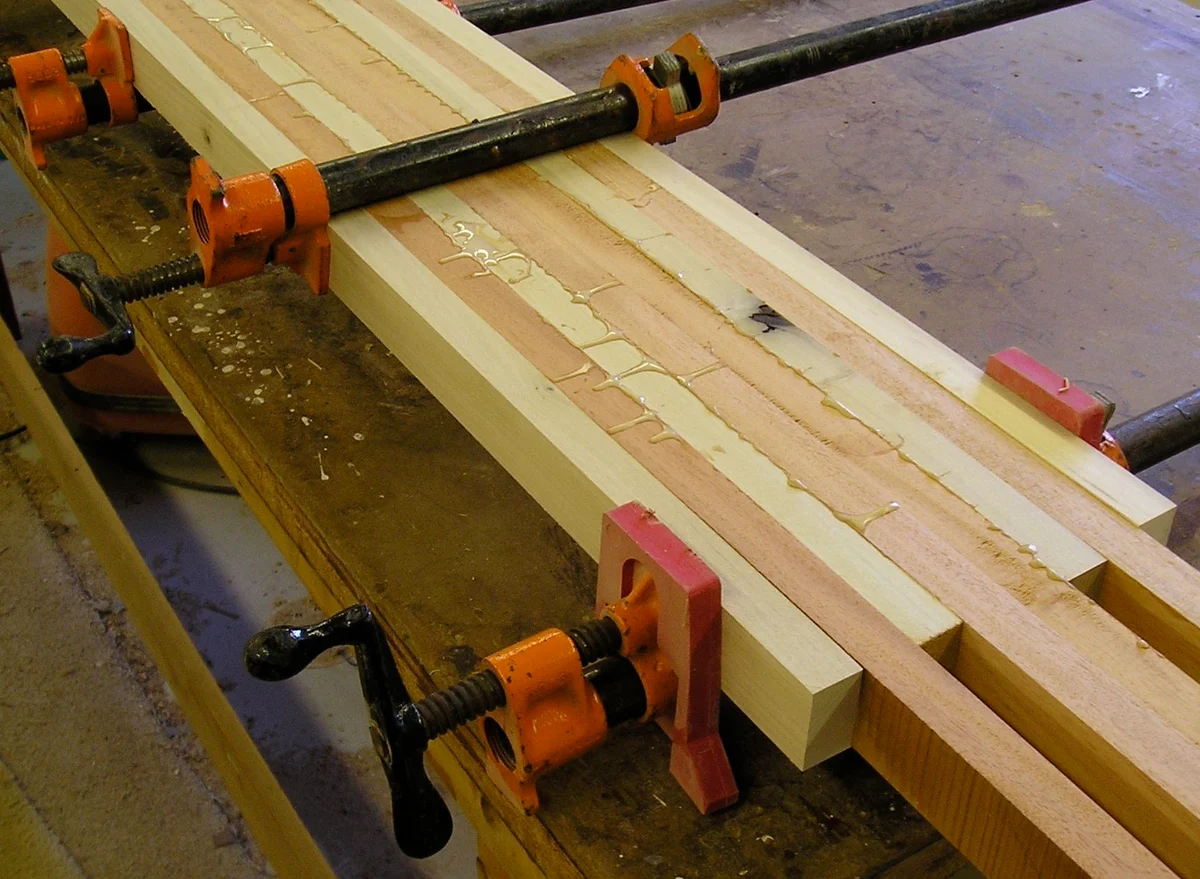
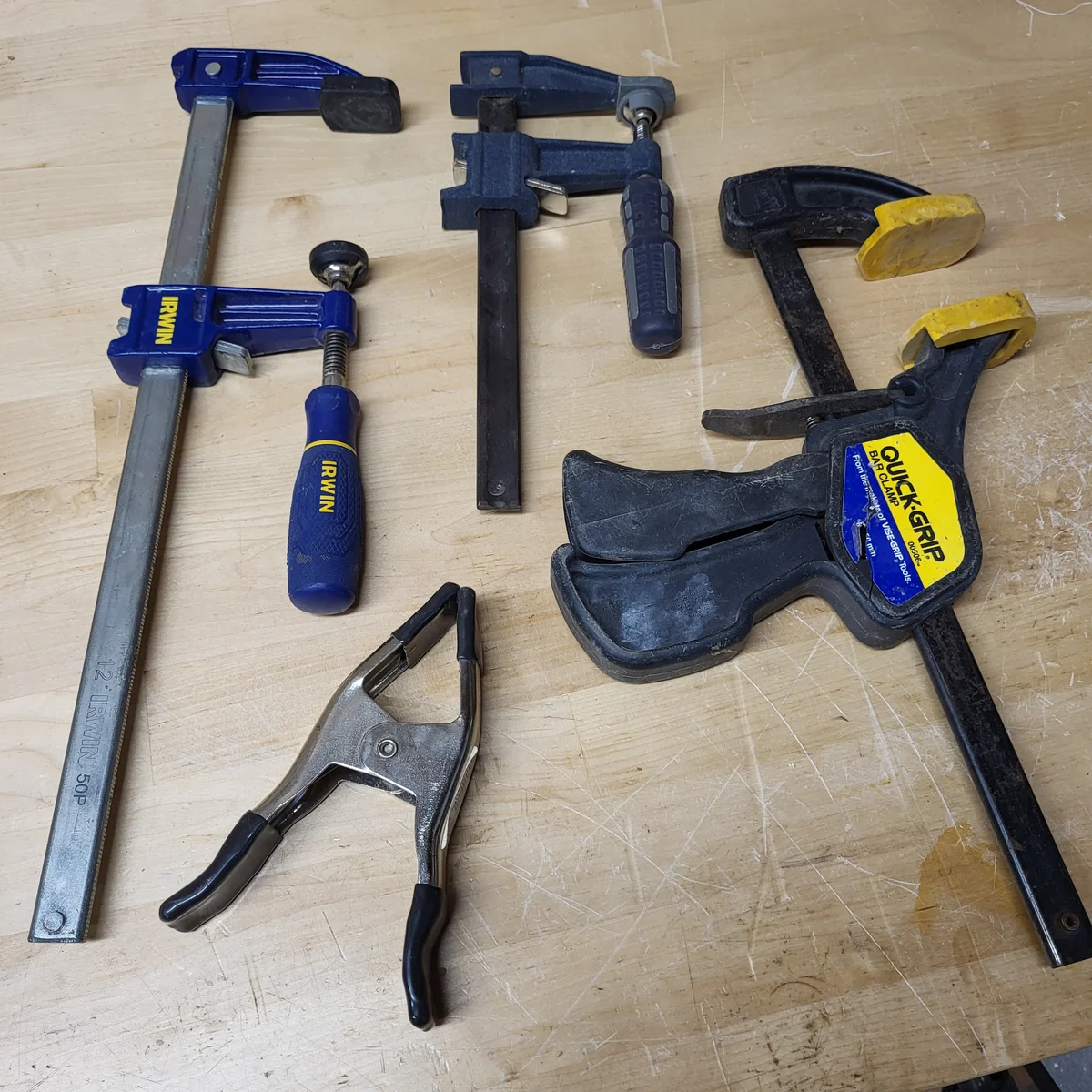
For a useful comparison, preserve the exact model, dimensions, intended application and the manufacturer’s stated conditions. Ask how an apparently comparable figure was defined before using it as a ranking score. The three photographs show real clamp forms, not measured force or validation of the pictured assemblies.
Keep contact and access in the selection brief
Opening and reach are only part of the physical brief. Consider which documented contact arrangement belongs with the intended task and whether the product can physically be positioned as required. A generic claim that a clamp is quick or strong does not answer those questions.
This page deliberately provides no tightening sequence, force setting or powered-workholding method. If the task involves a safety-critical operation, an uncertain material or a load-bearing use, a buying worksheet cannot replace competent selection and the complete instructions. A larger clamp is not automatically an appropriate solution to an unresolved requirement.
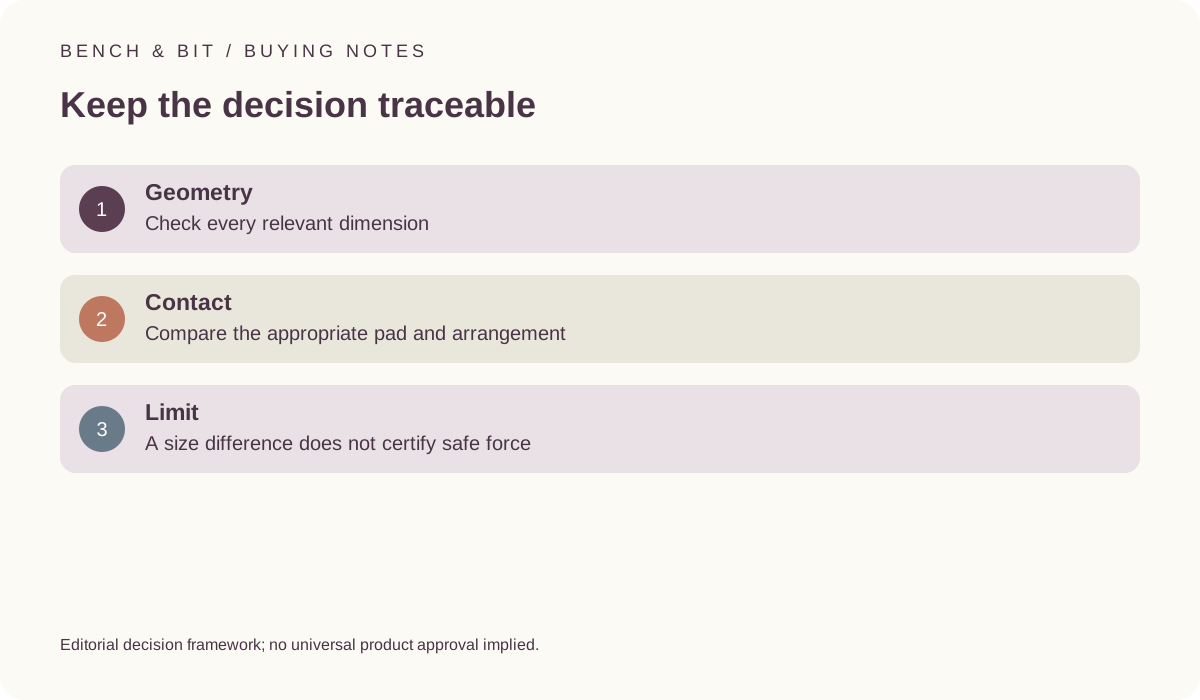
Order from a complete specification rather than a silhouette
Write the opening, reach, model and intended contact arrangement together. Compare the supplier’s full order code against the manufacturer’s documentation, including any accessory or replacement-pad conditions. If one field remains unclear, keep the entry provisional rather than assuming that the nearest-looking photograph is the correct model.
Preserve the dated source with the purchase record. The outcome should be an answerable product enquiry and a shortlist whose conditions are visible. We do not supply current prices, load tests, surface-damage tests or an approval to use the archival clamps shown here.