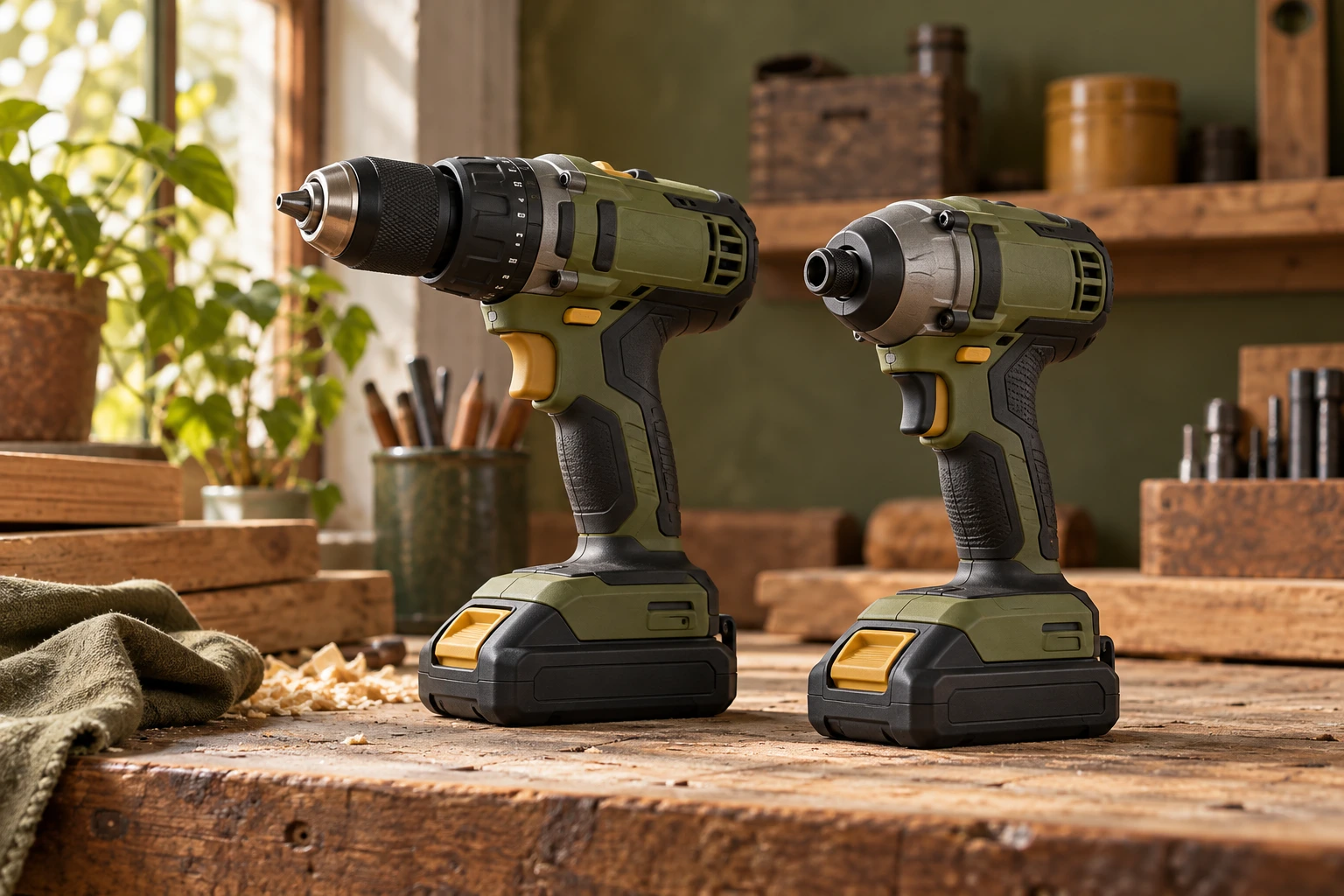
Drills & bits
Separate a drill driver from an impact driver
Compare the intended task, driving mechanism and accessory holder. The word impact does not make two tools interchangeable.
Read the guideCompare the intended task, driving mechanism and accessory holder. The word impact does not make two tools interchangeable.
Read the guide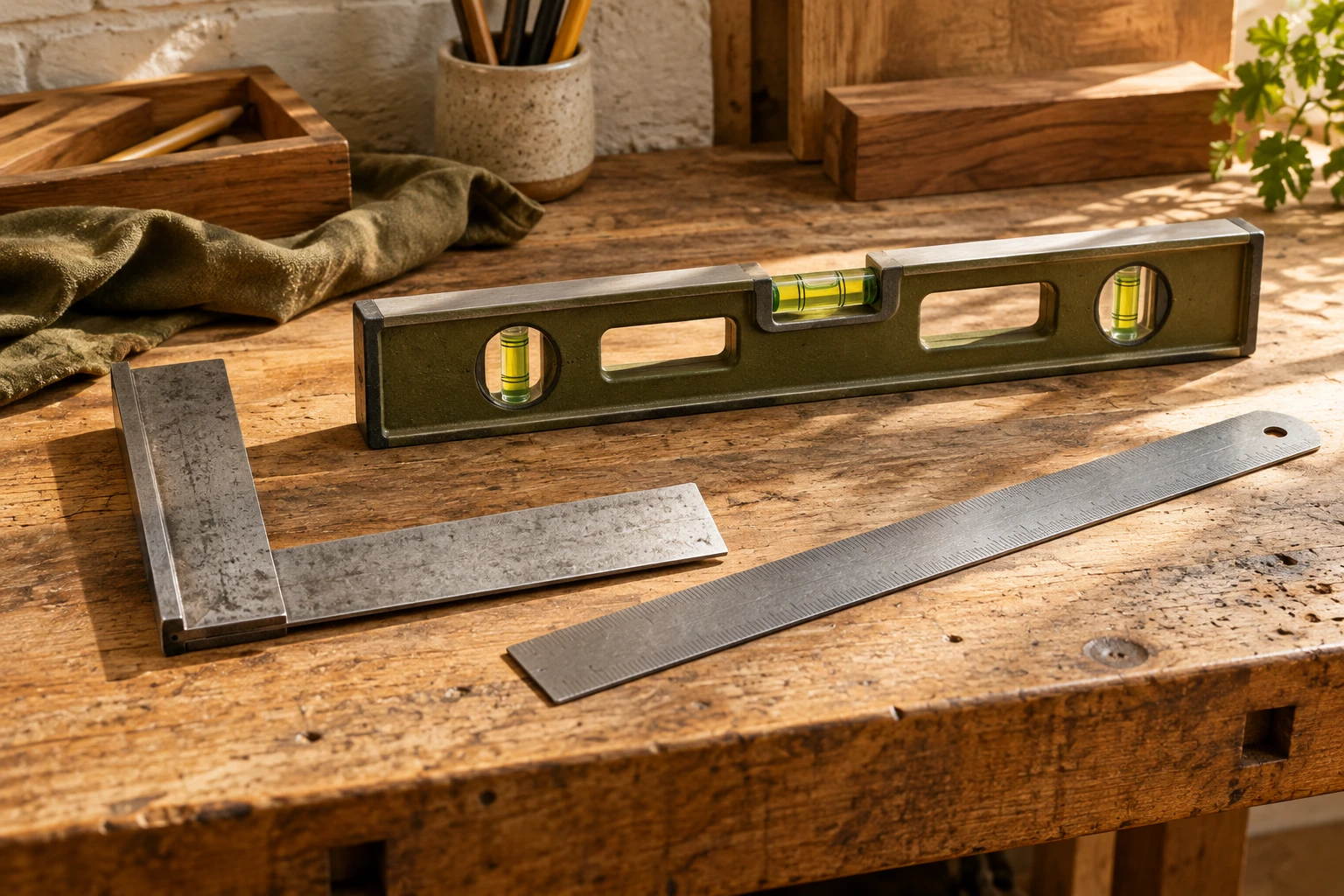
A scale, a level and a square describe different geometric conditions. Compare the function and stated accuracy, not just the tool’s length.
Read the guide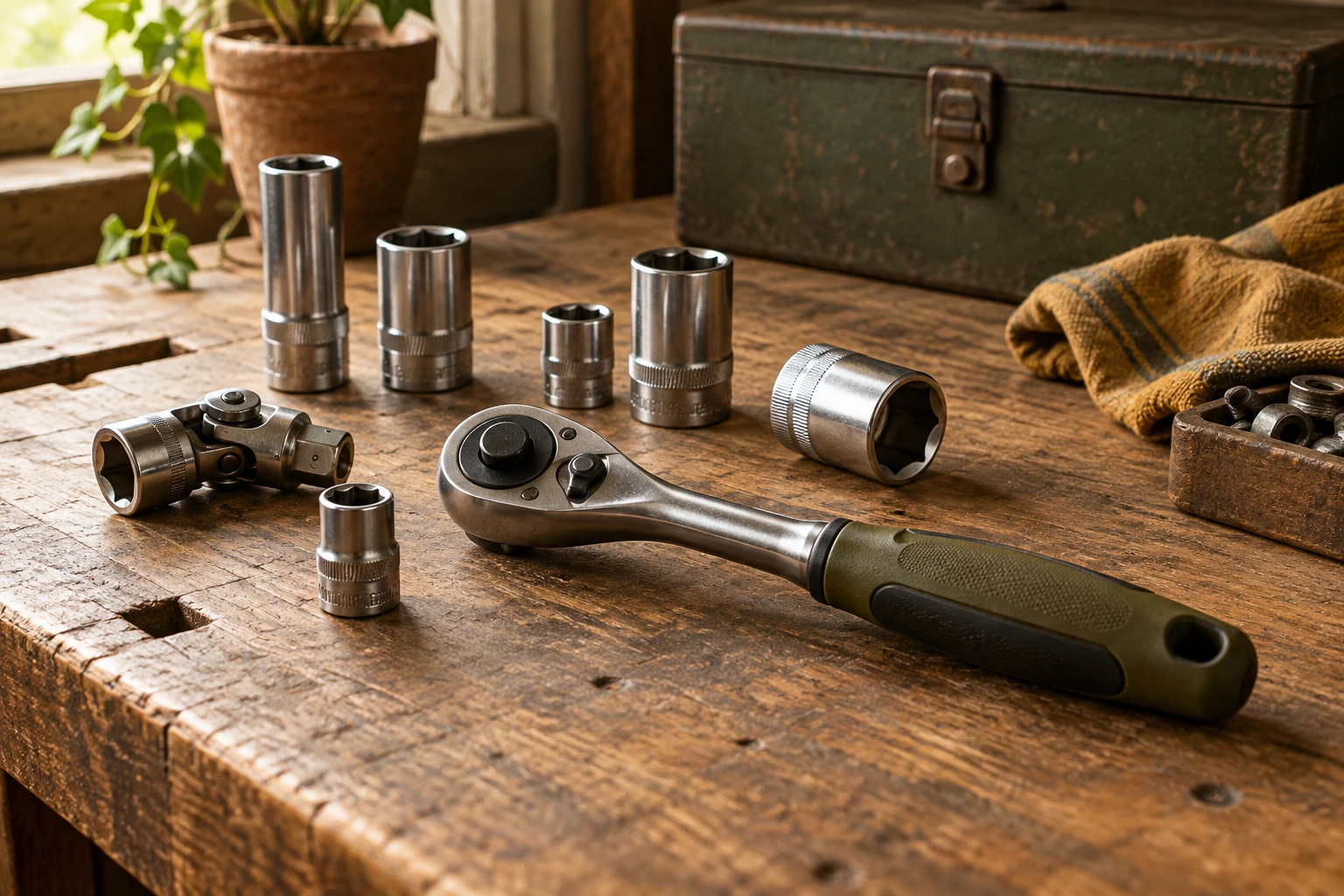
A socket has a tool-side drive and a fastener-side opening. Record both, along with profile and permitted application, before comparing a set.
Read the guide
Write the unit and reference points with the number. A conversion preserves a stated value; it does not improve the underlying measurement.
Read the guide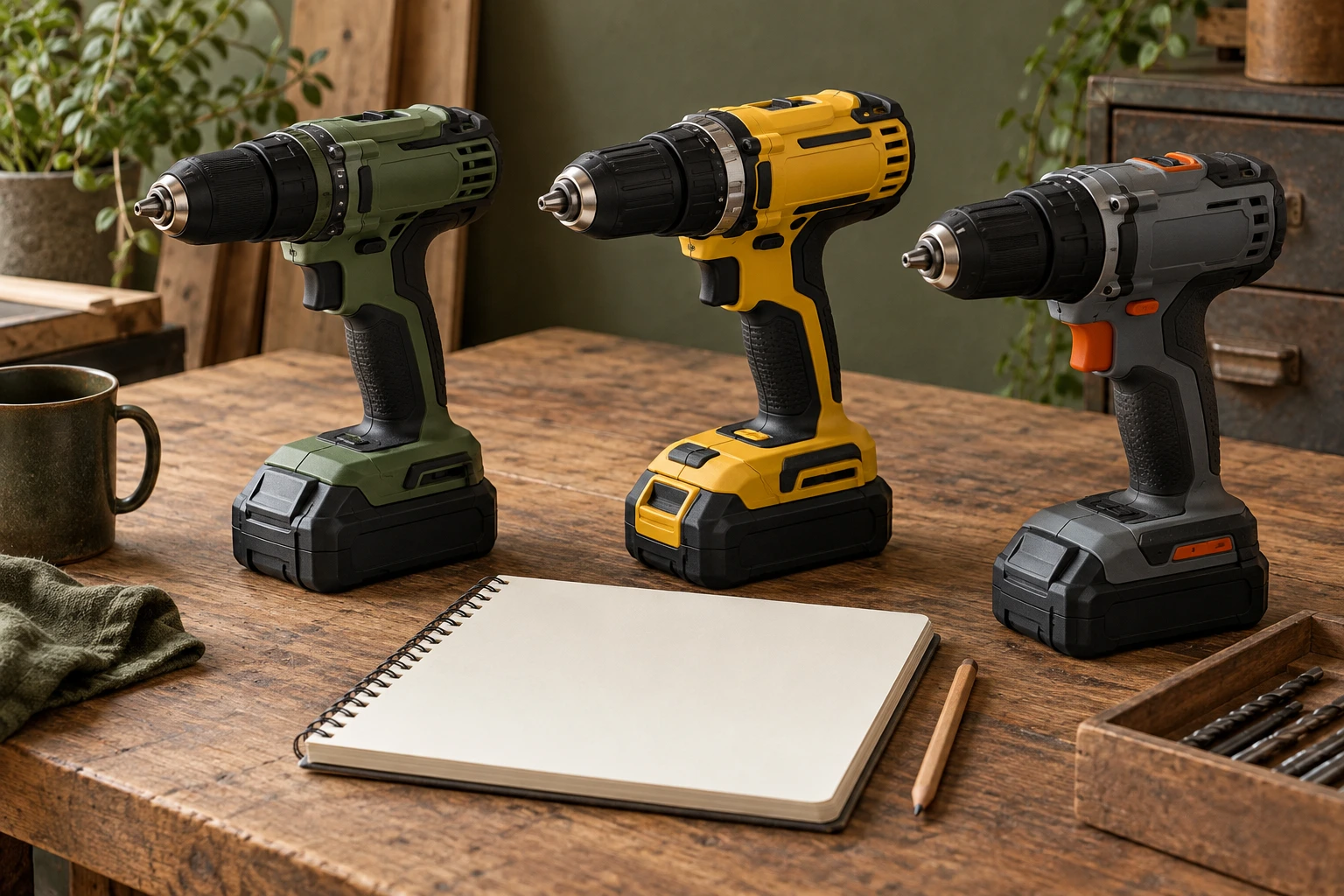
Start with the material, hole or fastener and documented tool function. Compare a drill driver, combi drill and impact driver without treating voltage or torque as permission to do every job.
Read the guide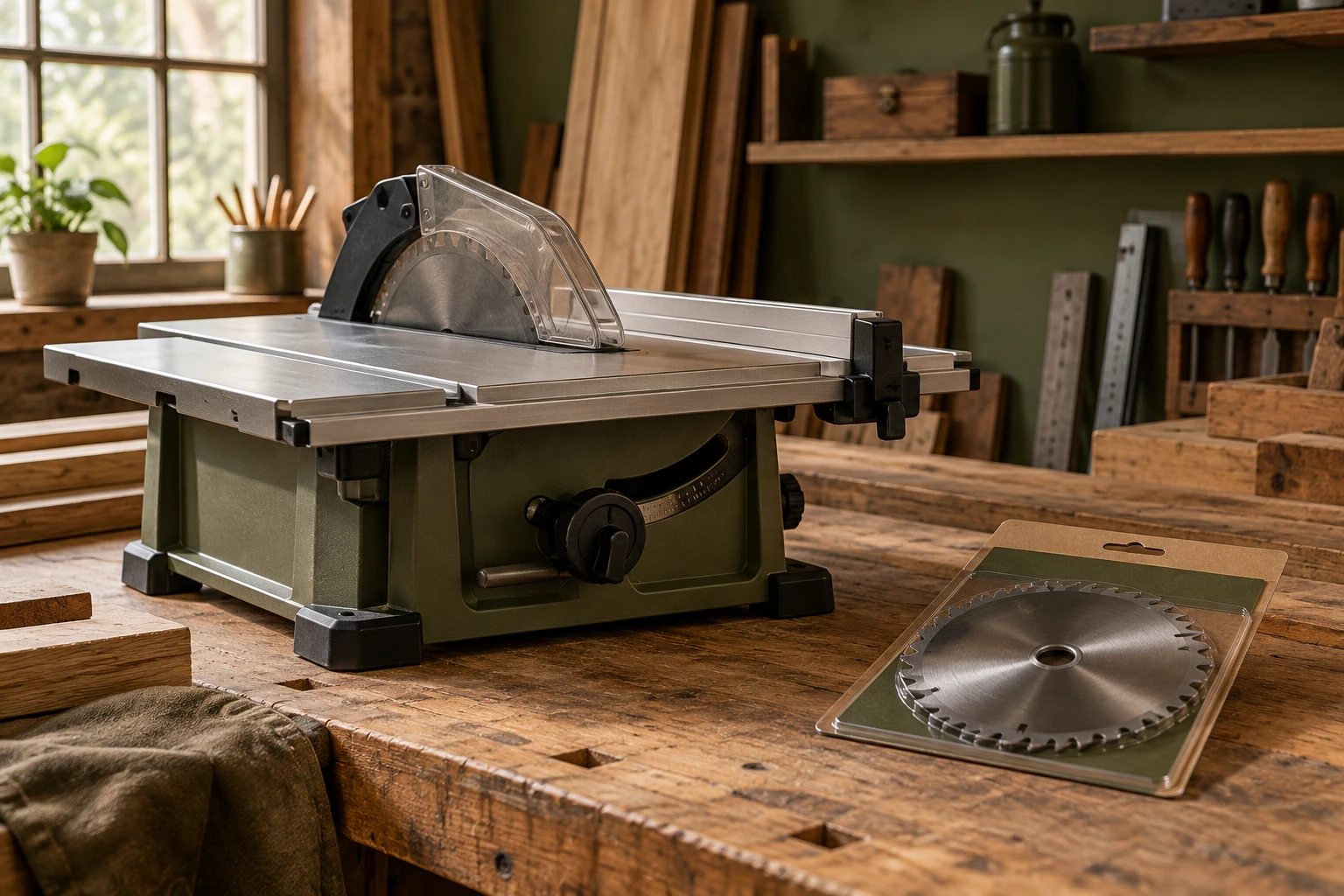
Keep the machine model, blade diameter, bore, permitted speed and intended material together. One matching number is not a complete compatibility statement.
Read the guide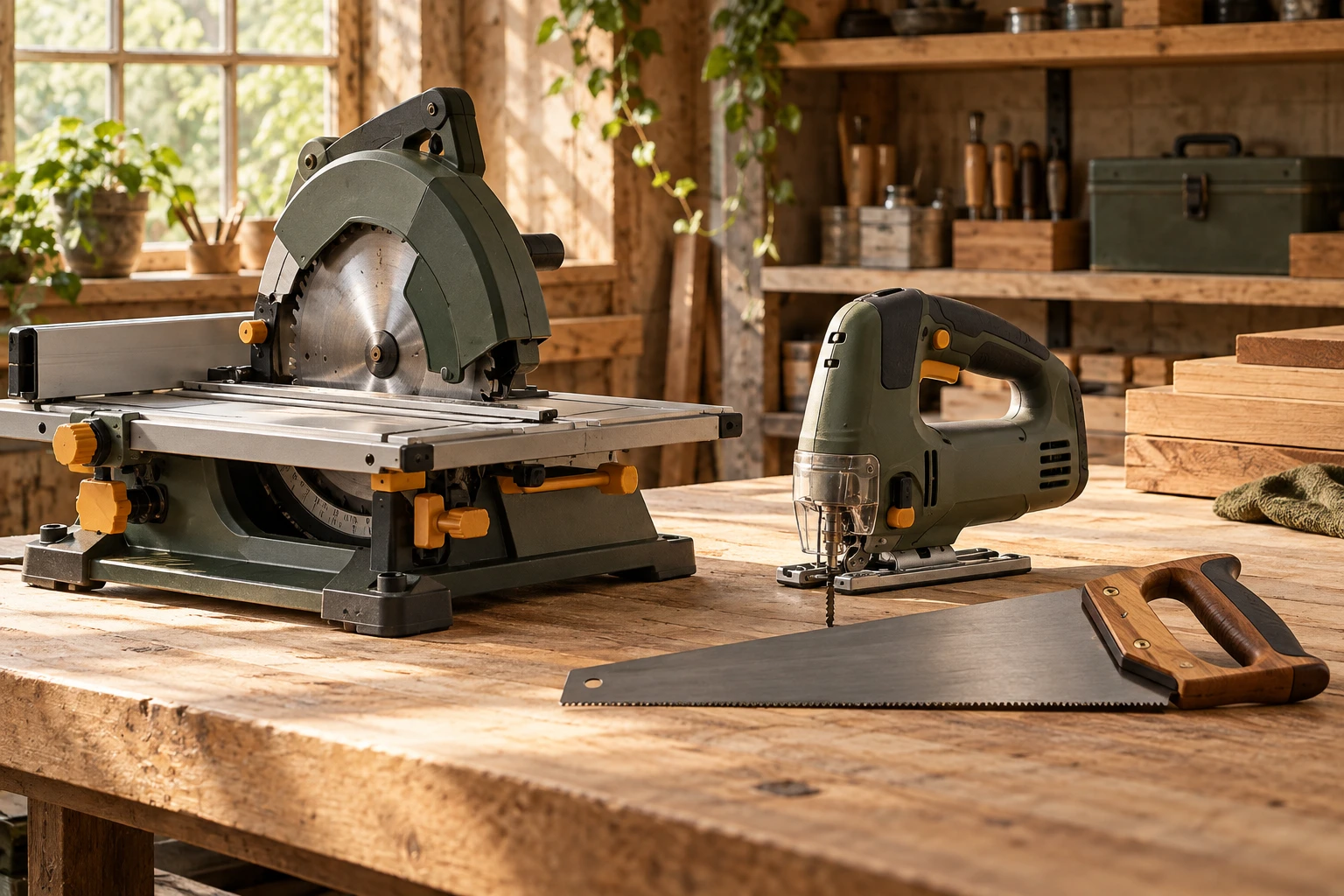
Separate the cutting requirement from the power source. Compare the exact saw and blade documents before committing to a cordless system.
Read the guide
Opening, throat depth, contact arrangement and intended application are different conditions. A large headline capacity does not resolve all of them.
Read the guide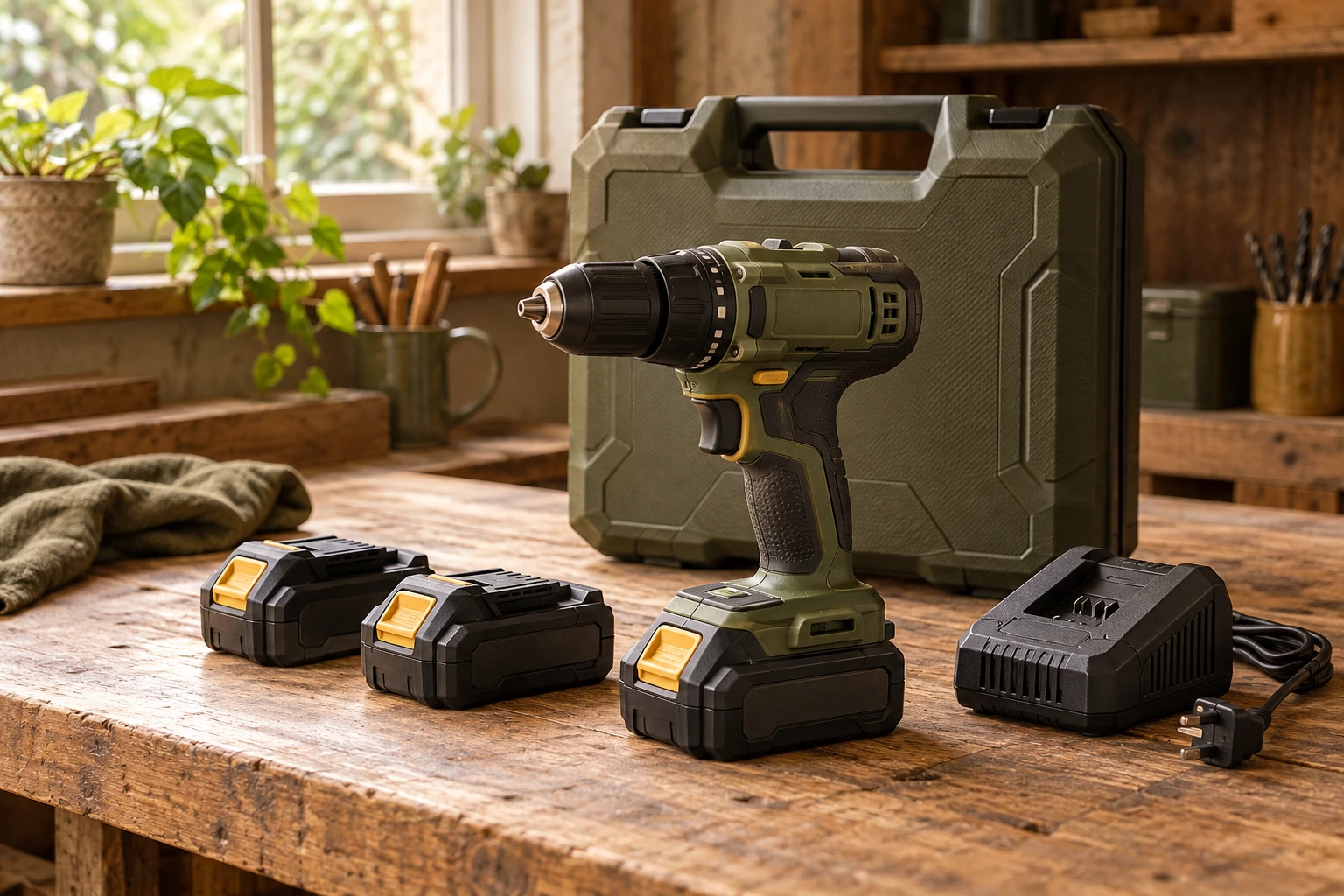
Build a like-for-like list of the tool, compatible battery, charger, accessories and delivery. A body-only headline is not the cost of a usable purchase.
Read the guide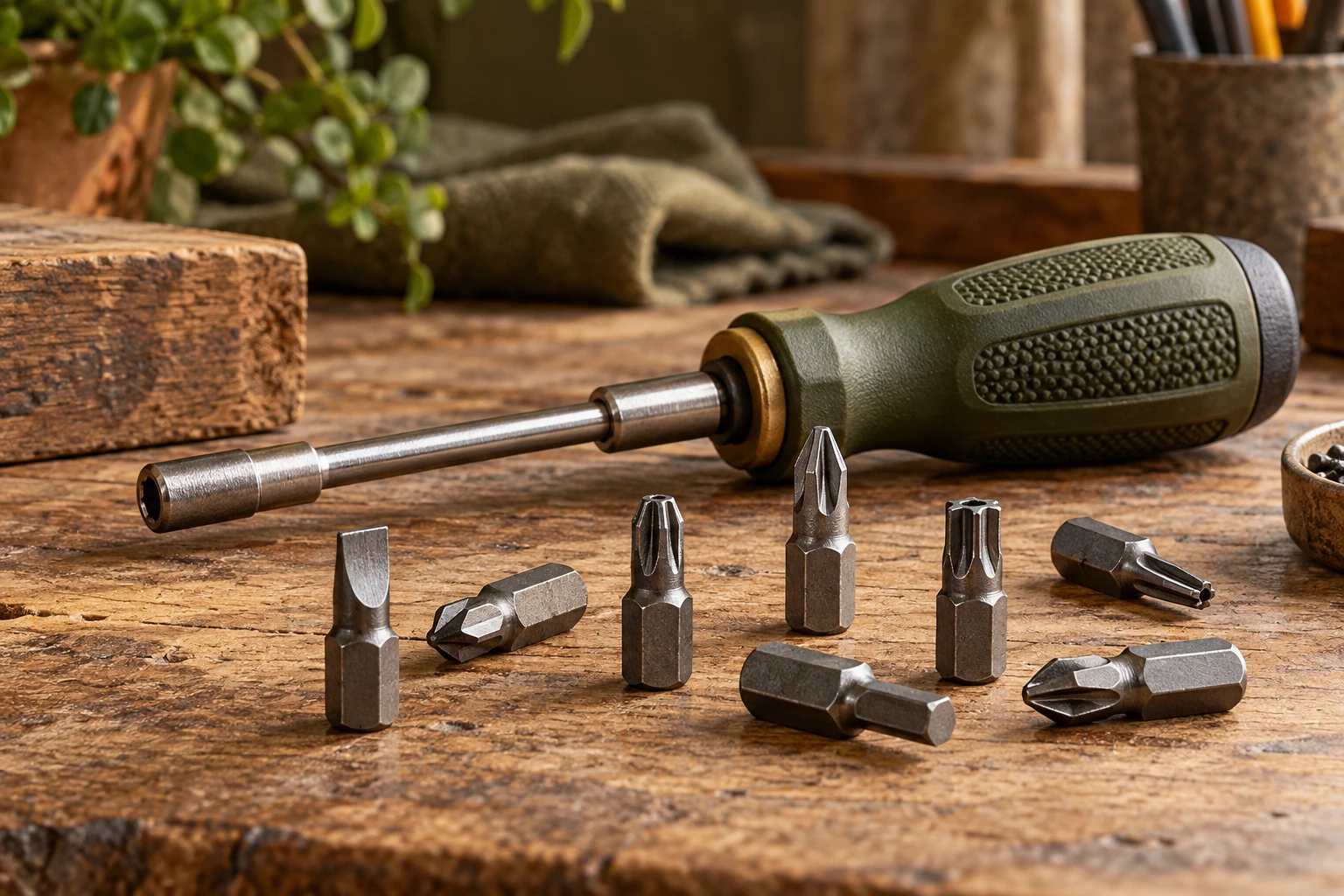
Keep the profile, size, holder and intended use together. A similar-looking cross or hexagon is not a complete fit specification.
Read the guide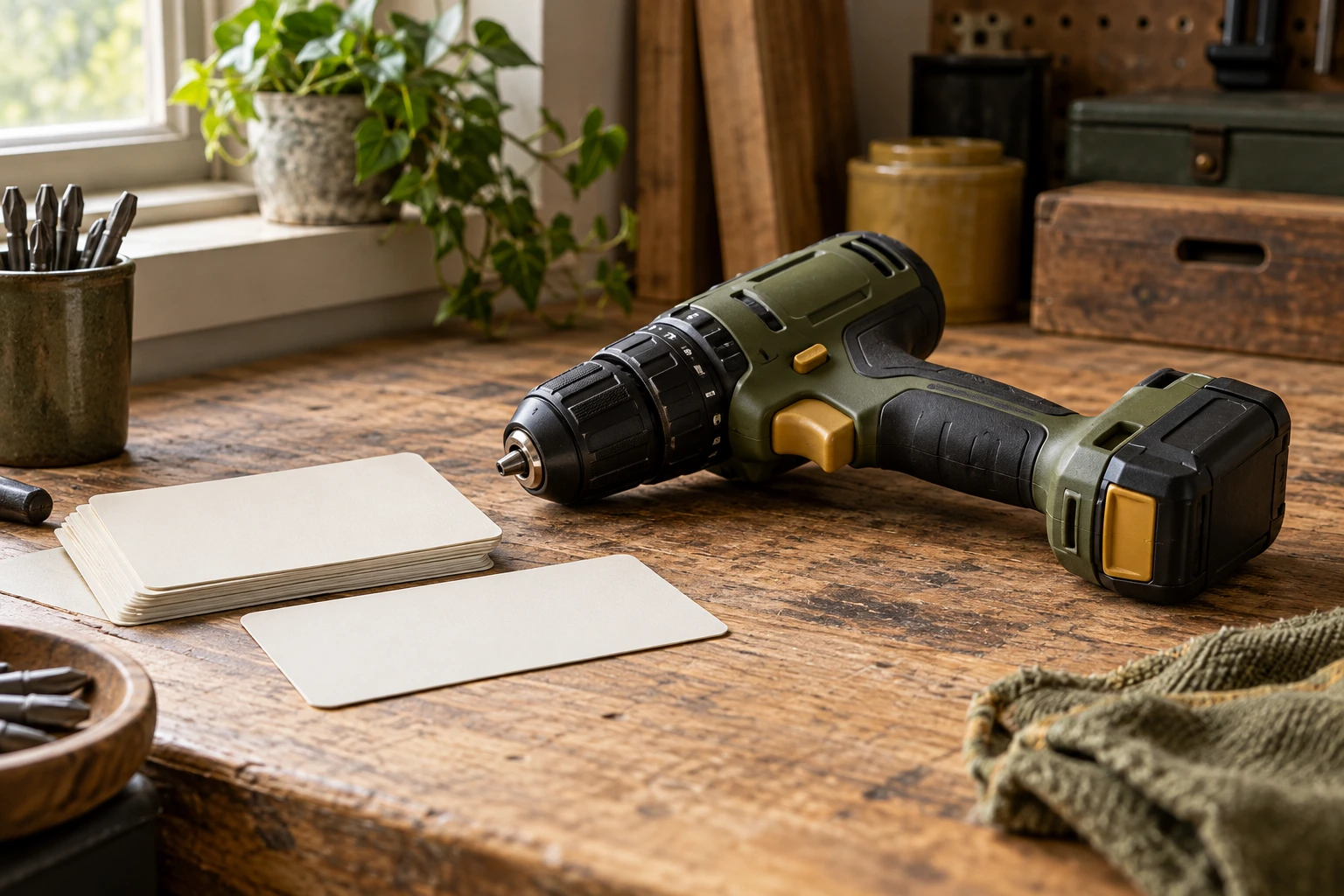
A motor description is one attribute. Compare the exact tool, defined torque figures, no-load speed and complete purchase conditions.
Read the guide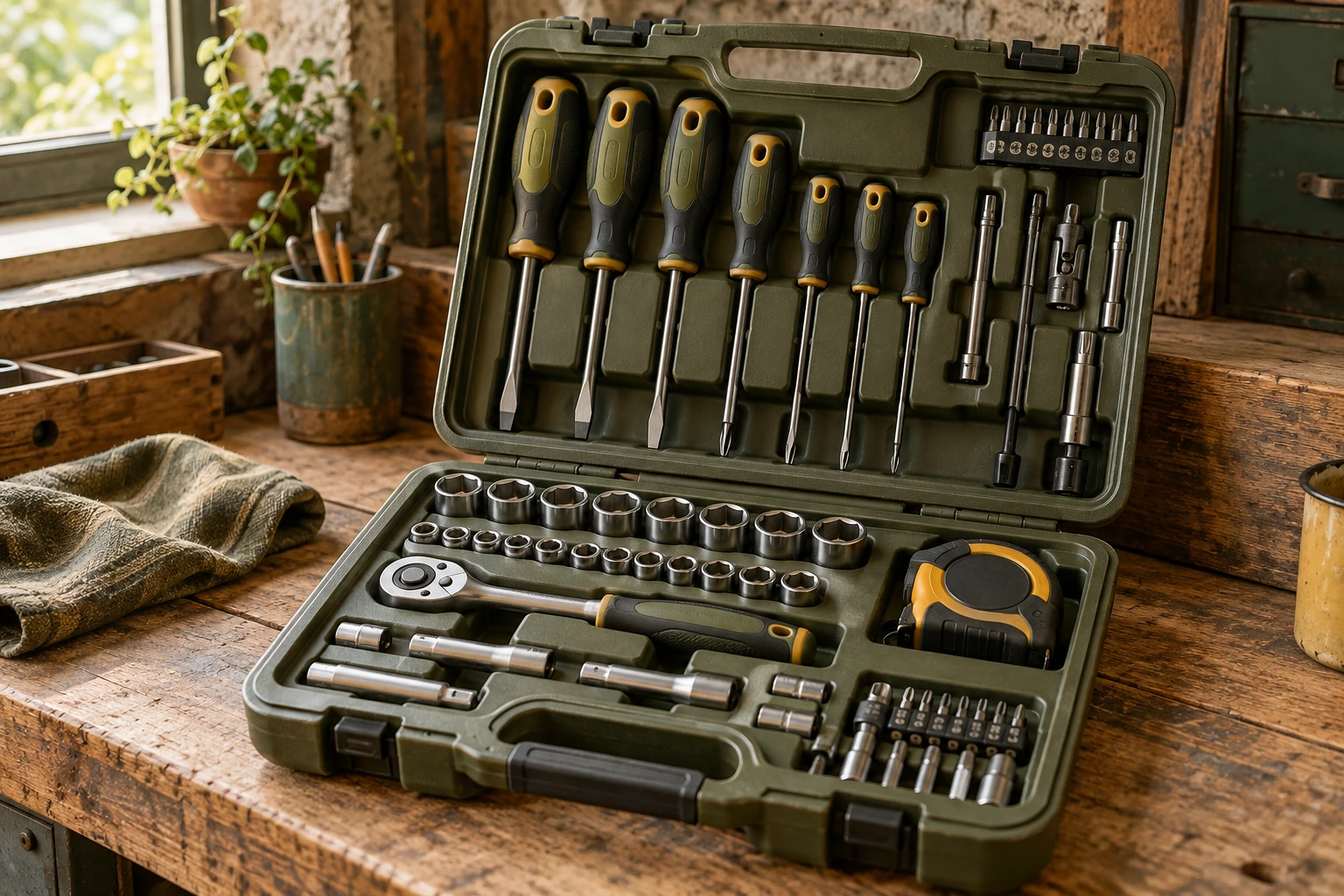
List useful components and missing requirements. A large piece count is not the same as a complete household tool selection.
Read the guide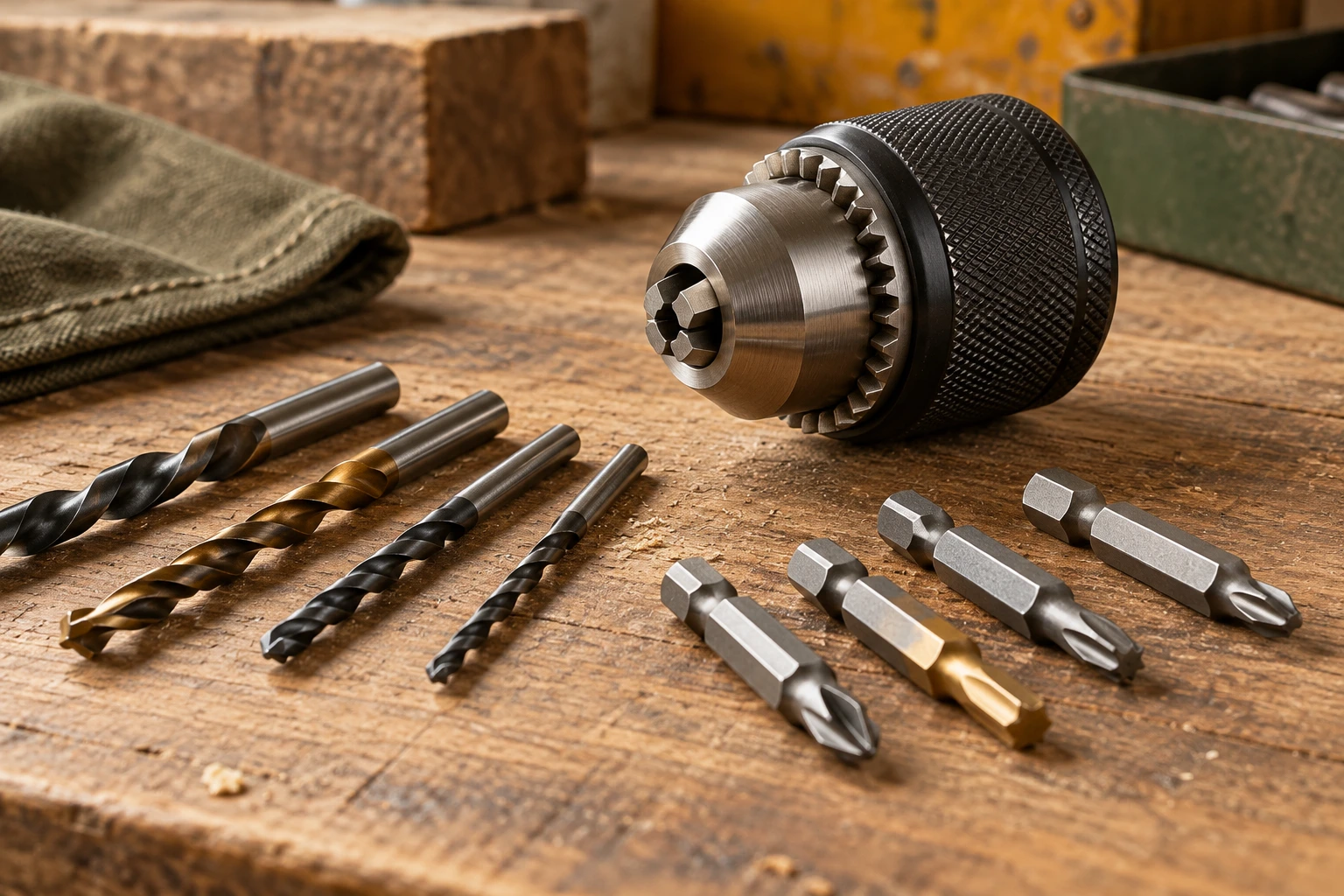
Capacity, shape, retention and intended application are separate checks. A diameter comparison alone does not prove an accessory is suitable.
Read the guide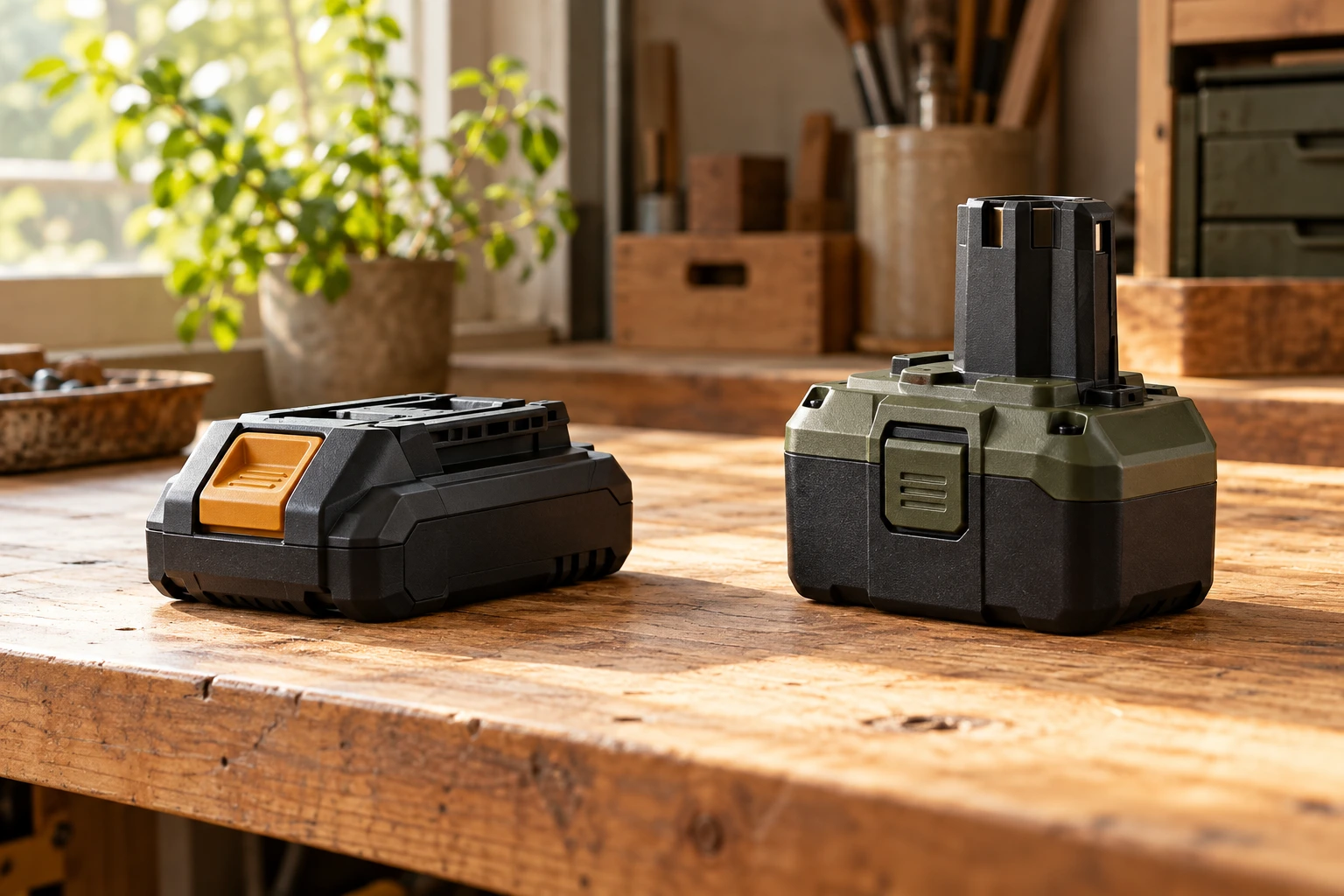
Record exact tool, pack and charger identifiers. A shared brand or voltage is not a complete compatibility statement.
Read the guide
Store the original value, unit, reference points and source of each dimension. Keep measured, manufacturer-listed and assumed values visibly different.
Read the guide
Nominal volts multiplied by amp-hours gives nominal watt-hours. That arithmetic does not establish usable energy, power output, compatibility or minutes of work.
Read the guide
Use the exact machine’s blade requirements. A material label, brand name or blade-length headline does not settle shank and retention compatibility.
Read the guide
Compare the exact tool, intended material, extraction requirements and documented system. A hose connection or visible vacuum does not establish adequate dust control.
Read the guide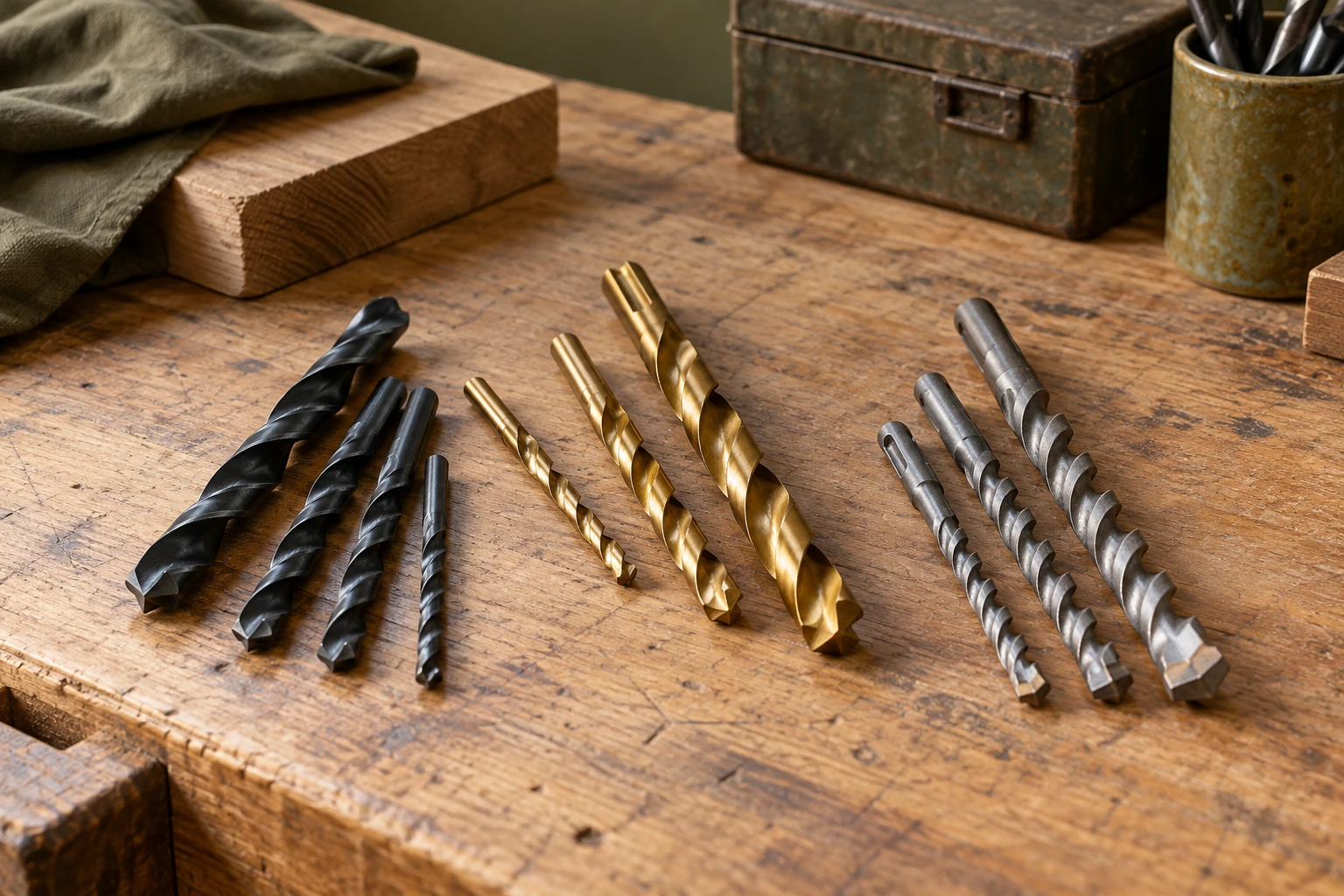
The cutting tool’s material, intended workpiece, dimensions and holder are different fields. Colour and a familiar shape cannot replace the exact accessory description.
Read the guide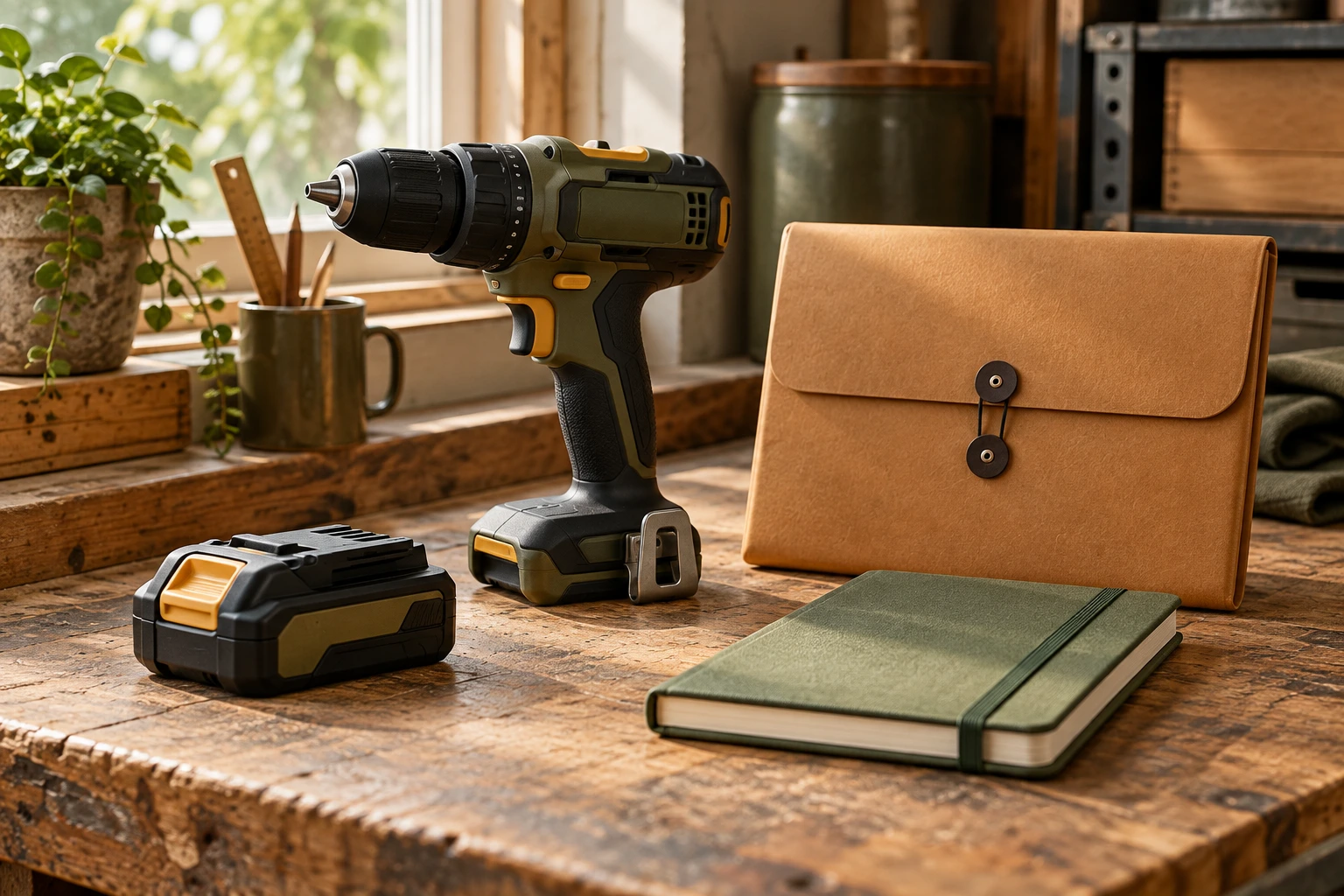
Record each component’s exact identity and the terms that apply to it. A case containing several products does not establish a shared warranty scope.
Read the guide